 OPEN ANDES
The Other Side of the Energy Transition
The energy transition is usually presented as a transformation aimed at overcoming dependence on fossil fuels and building an environmentally sustainable economic model. Behind that goal, however, a less visible dispute unfolds: control over territories, access to strategic minerals, and the distribution of the economic value generated by their extraction.
Latin America occupies a central place in that transformation. Its reserves of lithium, copper and other strategic minerals make it a relevant supplier for global supply chains. Resource abundance does not, by itself, guarantee industrial development, economic autonomy or an equitable distribution of benefits. After determining how much can be extracted in the region, the decisive question shifts to what position Latin America will occupy in the economic architecture built around those resources.
The Geography of a New Dependency
Demand for critical minerals is reshaping the priorities of the world’s leading economies. Lithium is essential for certain energy storage and battery technologies; copper, for power grids, electrification and infrastructure. The International Energy Agency projects considerable growth in demand for these resources over the coming decades. In its 2025 stated-policies scenario, it estimates that lithium demand could multiply fivefold by 2040, while copper demand would rise by around 30%.
In that scenario, Latin America acquires a relevance that exceeds its traditional status as a commodity-exporting region. According to the Organisation for Economic Co-operation and Development, the region holds 38.3% of the world’s lithium reserves and 32.5% of its copper reserves. Argentina, Bolivia and Chile make up the so-called lithium triangle, while Chile and Peru rank prominently in global copper production.
The strategic question, however, does not end with extraction. The capacity to transform resources, develop technology, process minerals and participate in the highest value-added stages determines who captures the most significant economic benefits from these chains.
The International Energy Agency itself identifies a gap between regional extraction and processing: in 2025, Latin America and the Caribbean refined, on average, about 20% of the key energy minerals it extracted, excluding lithium. This gap shows that participation in a global supply chain does not necessarily equate to control over its most profitable segments.
The region can become an indispensable supplier and, at the same time, remain subordinate in the industrial, technological and commercial stages that define the final value of products.
The Territorial Cost of the Global Strategy
The expansion of mining investment introduces a second dimension of the dispute. While investment decisions, supply contracts and destination markets are articulated at the international scale, the impacts of projects materialize in concrete territories.
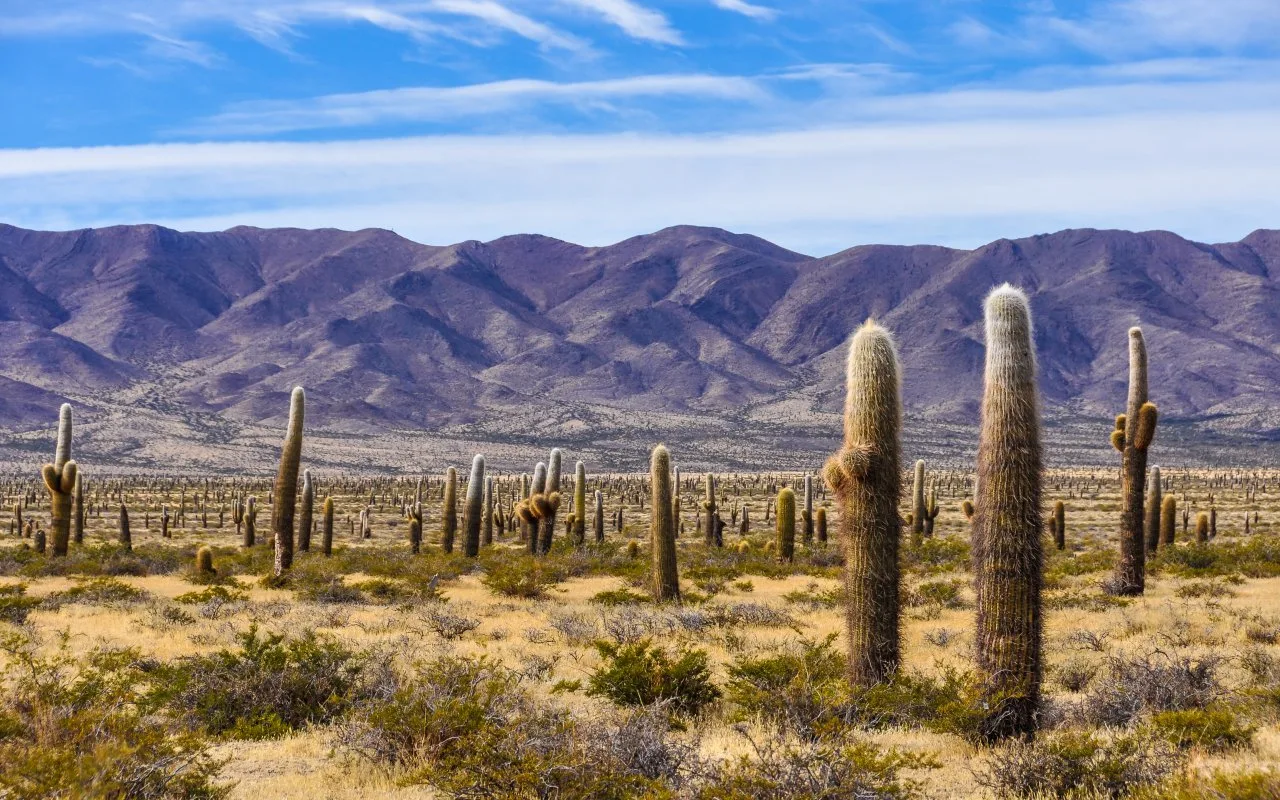
In the high Andean salt flats of Argentina, Bolivia and Chile, lithium extraction raises questions about water availability, the dynamics of hydrogeological systems, ecosystem conservation and the rights of indigenous communities. In other regions, the expansion of copper mining generates tensions related to land use, pollution, infrastructure and the distribution of economic benefits. These problems should not be reduced to an abstract opposition between mining and the environment. Each project has particular technical, territorial and hydrological characteristics. Precisely for that reason, environmental assessments must consider the specific conditions of the ecosystem, cumulative impacts and the possible consequences for communities.
The institutional problem emerges when the pace of investment outpaces the capacity of states to produce independent information, oversee operations, monitor companies and guarantee effective participation of the populations involved.
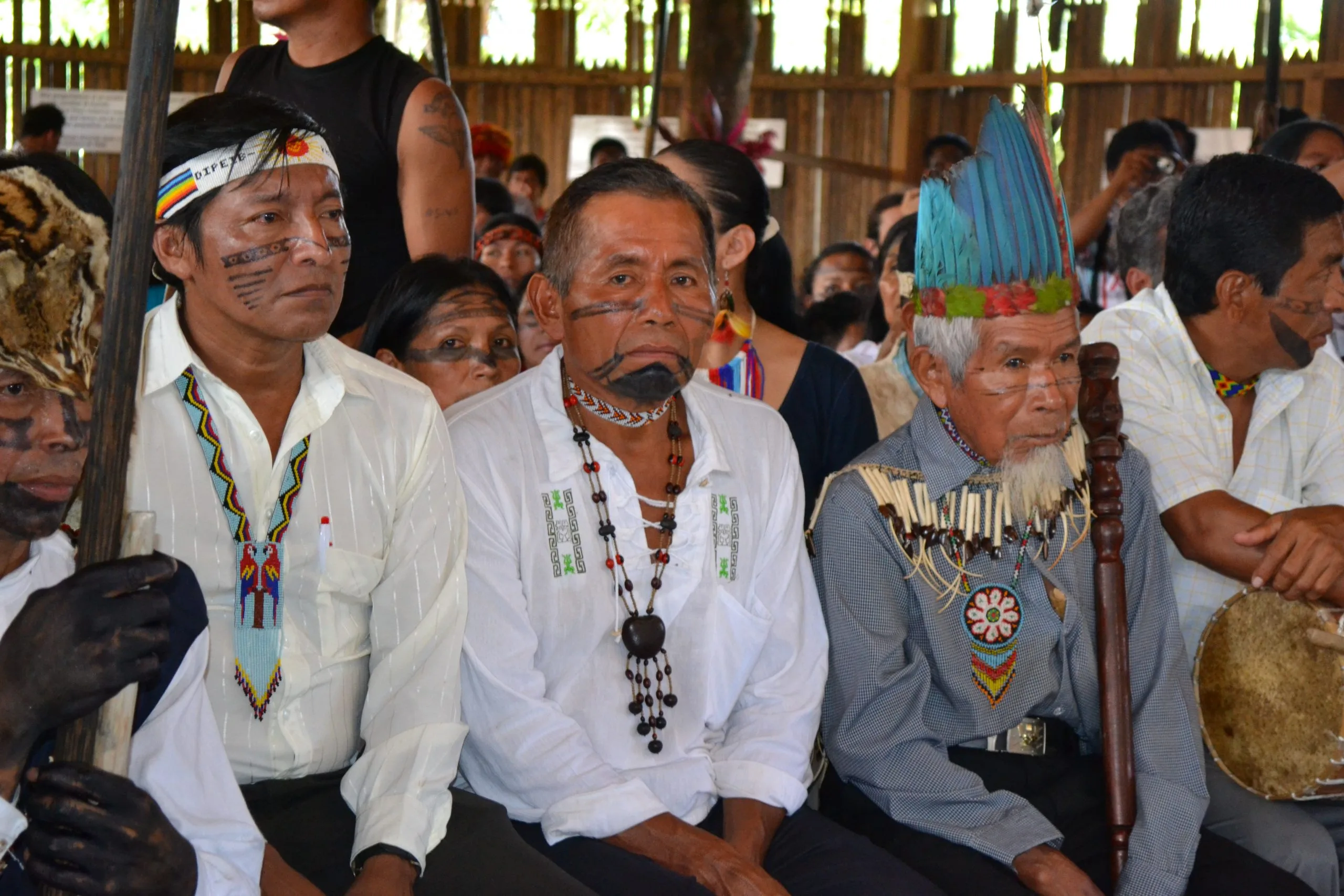
In indigenous territories, moreover, the discussion is not limited to economic compensation or damage mitigation. It concerns communal property, cultural identity, self-determination and the right to participate in decisions affecting their territories.
The development of global critical-mineral chains can generate economic opportunities, but it can also transfer to local communities costs that are not necessarily reflected in the international prices of those resources.
Human Rights as a Strategic Variable
This tension constitutes a political-environmental issue with concrete legal consequences.
Within the Inter-American Human Rights System, a set of standards conditions state action in the face of economic activities capable of producing significant environmental harm. Advisory Opinion OC-23/17 of the Inter-American Court established obligations of prevention, regulation, supervision and oversight, as well as the requirement of environmental impact assessments where there is a risk of significant harm. It also recognized the relevance of access to information, public participation and access to justice.
Inter-American jurisprudence also provides specific criteria for understanding the relationship between natural resource extraction and indigenous rights. In the case of the Kichwa Indigenous People of Sarayaku v. Ecuador (2012), the Inter-American Court developed the standards of prior, adequate, effective and culturally appropriate consultation regarding extractive projects that could affect indigenous territory. In the case of Lhaka Honhat v. Argentina (2020), it recognized the international responsibility of the state for violations related to communal property, cultural identity, a healthy environment, water and food.
These precedents make clear that investment and the economic exploitation of natural resources do not exempt states from complying with their international protection obligations.
Nor can prior consultation become an administrative formality aimed at legitimizing decisions already adopted. It must be a good-faith, informed, timely and culturally appropriate process, oriented toward reaching agreements and respectful of the representative institutions of indigenous peoples.
For states seeking to attract capital, these standards should not be viewed as external obstacles to development. They are legal conditions that affect the legitimacy, stability and sustainability of projects.
Who Governs Critical Minerals
Global competition for critical minerals opens an opportunity for Latin America that simultaneously exposes a vulnerability. If the region concentrates strategic resources without strengthening its capacity for processing, oversight, technological development and rights protection, it may expand its participation in international markets without substantially changing its position within global value chains.
The hypothesis worth monitoring over the coming years is that the expansion of mining investment will increase pressure on the institutional and judicial systems of producing countries. This hypothesis would be confirmed if the growth of projects and exports continues to be accompanied by low regional processing capacity, persistent oversight difficulties and conflicts related to indigenous consultation and environmental protection. It should be revised, by contrast, if countries manage to sustainably increase local value added and demonstrate verifiable improvements in environmental assessment, community participation and compliance with international obligations.
The central question is to analyze under what conditions Latin America will participate in the energy transition, what capacity it will retain to govern its resources, distribute their benefits and protect the populations and ecosystems involved.
The energy transition will not be truly sustainable merely because one energy source replaces another. Its legitimacy will also depend on the conditions under which the resources that make it possible are obtained. And there lies one of the most important strategic disputes for Latin America: to stop being merely a territory that supplies minerals and become an actor capable of defining the economic, institutional and legal rules of their exploitation.
Lautaro Ezequiel Pittier es Abogado. Profesor Adjunto de Derechos Humanos y Derecho Constitucional en la Universidad Nacional de Lomas de Zamora (UNLZ) y Director de Asuntos Jurídicos de su Facultad de Derecho. Director del Instituto de Derechos Humanos del Colegio de Abogados de Lomas de Zamora. Docente también en la UAI y en la ECAE. Ex relator del fuero Contencioso Administrativo Federal de la Ciudad Autónoma de Buenos Aires.
Nahuel Agustín Bento es Abogado y Procurador, Universidad de Mendoza. Especialista y Magister en "Justicia Constitucional y Derechos Humanos", Universidad Alma Mater de Bolonia, Italia. Magister en "Derecho Procesal Penal y Oratoria Forense", Universidad Latinoamericana de Ciencias Jurídicas de Miami, EEUU. Especialista en "Docencia en Entornos Virtuales", Universidad Champagnat de Mendoza, Argentina. Doctorando Universidad de Mendoza.
Bibliografía
- International Energy Agency (IEA). (2025). Global Critical Minerals Outlook 2025. Paris: IEA.
- International Energy Agency (IEA). (2026). Global Critical Minerals Outlook 2026. Paris: IEA.
- International Energy Agency (IEA). (2026). Latin America. In Global Critical Minerals Outlook 2026. Paris: IEA.
- Organisation for Economic Co-operation and Development (OECD). (2026). Critical minerals in Latin America and the Caribbean: A regional overview. OECD Global Relations Policy Papers, No. 2026/09. Paris: OECD Publishing.
- Inter-American Court of Human Rights. (2017). Environment and Human Rights. Advisory Opinion OC-23/17 of November 15, 2017. Series A, No. 23.
- Inter-American Court of Human Rights. (2012). Case of the Kichwa Indigenous People of Sarayaku v. Ecuador. Merits and Reparations. Judgment of June 27, 2012. Series C, No. 245.
- Inter-American Court of Human Rights. (2020). Case of the Indigenous Communities of the Lhaka Honhat Association (Our Land) v. Argentina. Merits, Reparations and Costs. Judgment of February 6, 2020. Series C, No. 400.
Nota editorial
Este trabajo representa exclusivamente las opiniones del autor o autores. Open Andes es un think tank y editorial independiente, y no adopta posturas institucionales sobre asuntos de política pública.
SHARE KNOWLEDGE